Electricity generation
Power plants sell electricity under long-term contracts or into wholesale markets. Revenue is shaped by output, availability, fuel or resource conditions, and market prices.

Energy businesses supply electricity, fuels, and related services. They can earn from producing energy, balancing the grid, storing power, or building and operating infrastructure.
Below is a practical overview of common business models seen around the world. These examples describe how companies may earn revenue; they do not describe a specific Crescent Annaly Capital project or promise investment results.
Ask about this sector ↗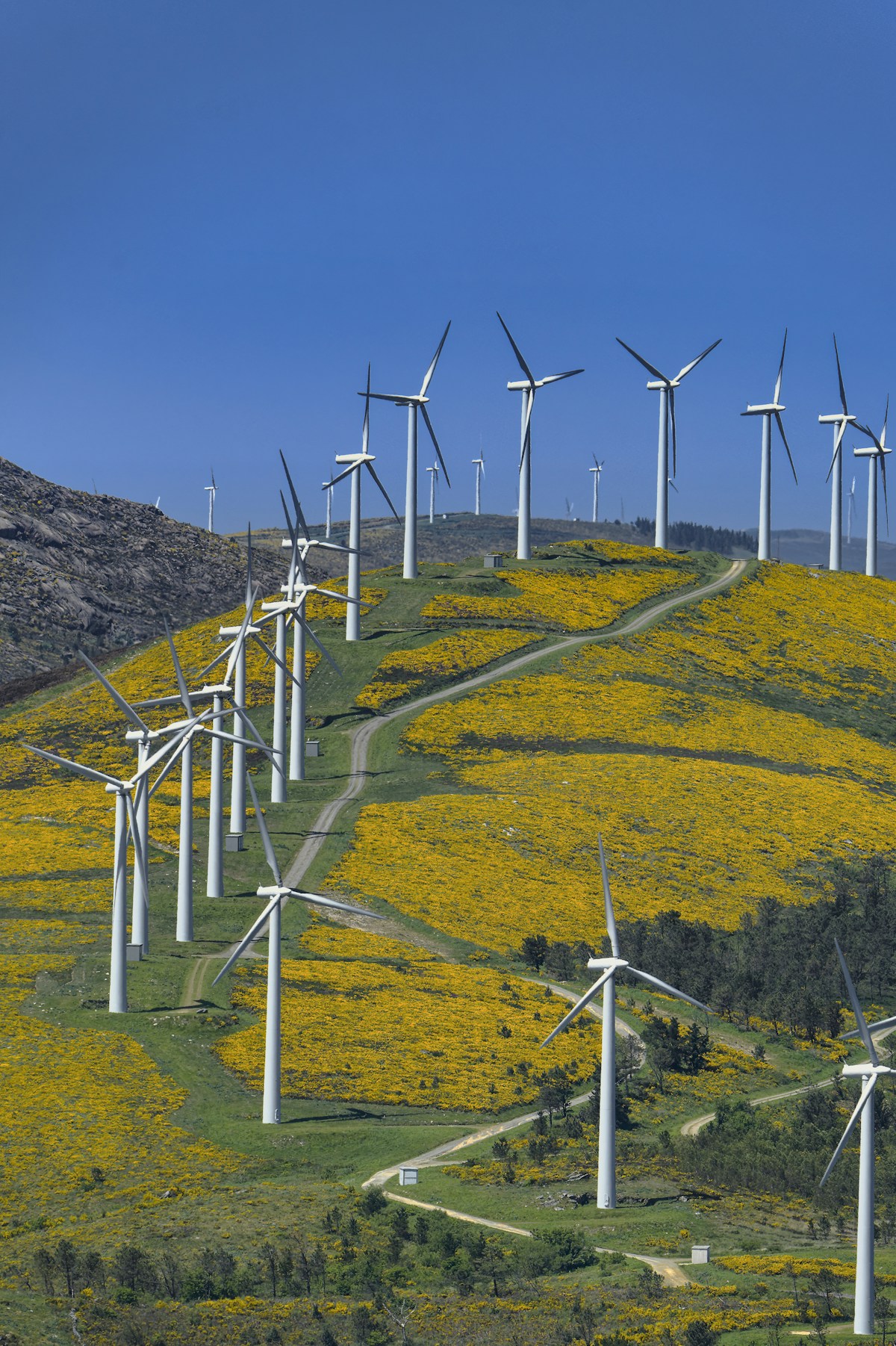
Companies can participate at several stages of the value chain; each has different costs, customers, and risks.
Power plants sell electricity under long-term contracts or into wholesale markets. Revenue is shaped by output, availability, fuel or resource conditions, and market prices.
Wind, solar, hydro, and other projects may sell electricity through power-purchase agreements or market sales. Developers may also receive permitted incentives.
Battery operators can earn by shifting electricity across time, providing reserve capacity, or helping balance supply and demand, subject to market rules and equipment performance.
Utilities and contractors earn regulated network charges, construction payments, maintenance fees, or energy-management service revenue.
Revenue alone does not show whether a business is profitable. Costs, cash flow, financing, and rules all affect the final outcome.
Energy projects are capital-intensive and exposed to construction delays, equipment performance, changing prices, policy, grid access, and environmental requirements. A contract or forecast cannot guarantee project returns.
Read terms and risk information ↗General educational information only. It is not financial, medical, legal, or tax advice, an offer, or a recommendation. Verify specific projects independently and consult qualified professionals.
About Crescent Annaly Capital ↗